

Whoa. I still remember the first time a tiny pop-up asked me to sign something and my heart skipped a beat. Seriously? One click could mean losing funds. At that moment I got very very careful.
My instinct said: keep it simple. But then I learned complexity can be security when used the right way. Initially I thought all browser wallets were roughly the same. Actually, wait—let me rephrase that: they looked the same until you start interacting with DeFi contracts, approvals, and cross-chain bridges. On one hand the UX is slick and convenient; on the other hand that convenience is the exact attack surface bad actors love.
Here’s what bugs me about most wallet setups—too many people keep big balances in an extension and use the same browser profile for everything. Not smart. I’m biased, but splitting your wallets, using separate browser profiles or a dedicated browser for on-chain interactions, and keeping only a working amount in an extension has saved me headaches. (oh, and by the way… hardware wallets for large holdings are still the gold standard.)
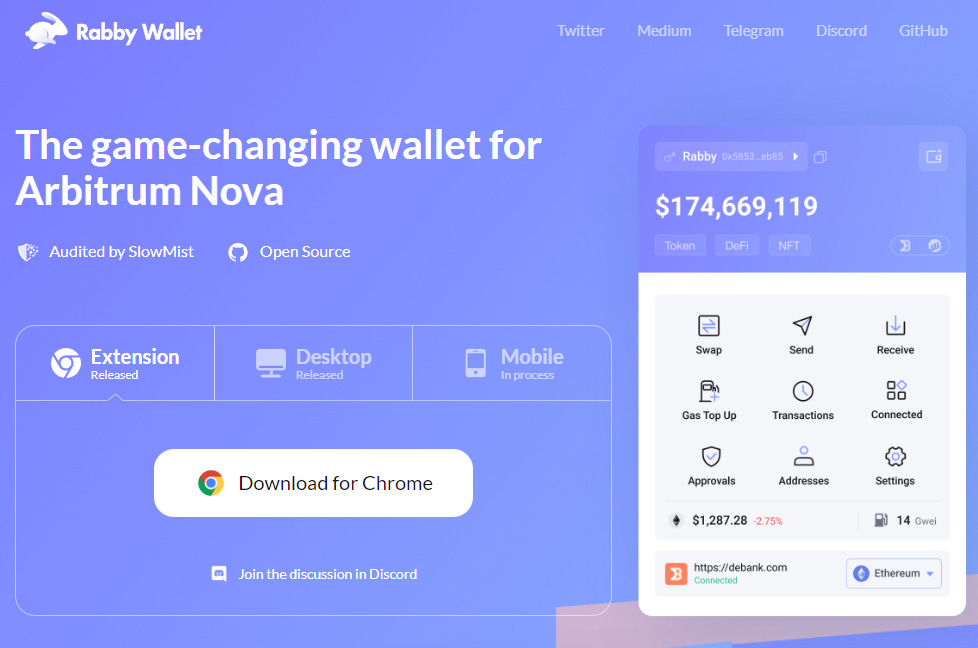
Why I like Rabby (and how to get it)
Okay, so check this out—Rabby stands out as a browser extension that balances usability with permission controls and transaction previews. If you want to try it, grab a secure build via this link: rabby wallet download. My recommendation: download only from official sources and verify the extension ID where possible. Something felt off about a few third-party replicas I saw around the web.
What I pay attention to when evaluating a wallet:
- Transaction previews — not just amounts, but the function being called (approve vs transfer vs swap).
- Permission management — the ability to review and revoke token approvals without paying a ton of gas or going through guesswork.
- Multi-chain support handled cleanly — chain switching prompts that are explicit and cannot be spoofed by web pages.
- Recovery and backup UX — clear seed backup instructions and sensible warnings.
I’m not 100% sure any one wallet is perfect. But Rabby has features that make routine defenses easier for regular users. I kept a small test fund in it for months before moving anything significant. That let me see how it behaved in real conditions—notifications, gas estimation, and signature dialogs—so I could trust it a little more.
Practical setup checklist I use every time:
- Create a fresh browser profile devoted to crypto activity.
- Install the extension from the official source and pin it in the bar.
- Seed phrase backup: write it down on paper (not a screenshot), split the seed if you like redundancy, and store copy in a secure place.
- Limit funds in the hot wallet. Keep the bulk in a hardware wallet or cold storage.
- Use the wallet’s permission/revoke tool monthly to clear unused approvals.
One small trick: when a dApp asks to “connect” or request allowances, pause. Read the transaction details in the extension. If the prompt shows vague language or an unknown contract, decline and research. My gut has saved me more than once—if something smells off, step back and look it up. Seriously.
Deeper security practices for DeFi power users:
- Prefer Etherscan and reputable explorers to verify contract addresses before you interact.
- When interacting with new tokens, check liquidity and token contract source code or audits if available.
- Use a hardware wallet for signing especially high-value or admin-level transactions.
- Consider a multisig for funds that are frequently moved by teams or shared custody.
There are trade-offs. Multisigs add operational friction. Hardware wallets are less convenient for rapid trading. On the other hand, sacrificing security for convenience almost always ends badly in DeFi. On one hand fast trades can earn gains; though actually if you get rug-pulled, those gains evaporate and then some.
When to treat behavior as suspicious:
- Requests to approve an unlimited allowance immediately — revoke and set a specific allowance when possible.
- Sites that ask to switch your network without a clear need.
- Pop-ups that pressure you to sign within seconds or use fear tactics.
- Unknown contract interactions from marketplaces or NFTs with no provenance.
For remediation—if you ever suspect compromise—do this right away: disconnect the wallet from the site, revoke approvals using a permission manager, move remaining funds to cold storage (if possible), and change passwords/seeds on any related accounts. Also, take screenshots and gather transaction IDs; they help forensic efforts later, even if recovery is unlikely.
FAQ
Is a browser extension ever safe for large holdings?
Short answer: no. Keep only working amounts in an extension. Hardware wallets or multisig solutions are better for long-term custody. Extensions are attack surfaces—browser exploits, malicious extensions, and phishing all target them.
How often should I check token approvals?
Monthly is a good baseline for most users. If you interact with many new contracts daily, check more often. Use the wallet’s permission tools or third-party revocation services to see and clear approvals.
What if I accidentally signed a bad transaction?
Act fast: if it’s a transfer, funds often move instantly and are hard to recover. If it was an approval, revoke it immediately. Consider reporting the incident to the token project and community channels; sometimes others can warn users not to interact with the compromised contract.
Leave a Reply