

Whether you’re dealing with food poisoning or a stomach bug, it’s essential to listen to your body and take action when needed. Avoid drinks that can make dehydration worse, such as alcohol, caffeine, and sugary beverages. For the first day or two, it’s also best to steer clear of solid food until you can keep liquids down without vomiting. what does alcohol poisoning look like Rapid drinking can bring BAC so high that mental and physical functions are negatively affected. If BAC is high enough, it can impair physical functions such as breathing and the gag reflex (that prevents people from choking. Alcohol poisoning is usually caused by binge drinking, which is where you have a lot of alcohol in one drinking session.

How long should I wait after my dose before drinking?
Unlike a typical night of drinking, this isn’t a situation that resolves itself with time or rest. The body’s inability to protect its airway in this state is a critical reason to call 911 without hesitation. Comparing these skin signs to other symptoms can help differentiate alcohol poisoning from mere intoxication.
How to Treat Food Poisoning or a Stomach Bug
- Dehydration and electrolyte imbalances are common in alcohol poisoning due to excessive vomiting and alcohol’s diuretic effect.
- But as you continue to drink, you become drowsy and have less control over your actions.
- Your body weight considerably influences your susceptibility to alcohol poisoning.
Blood alcohol concentration can continue rising dangerously even after a person stops drinking https://ecosoberhouse.com/ due to delayed absorption into the bloodstream. The critical threshold for alcohol poisoning typically begins around 0.30–0.40% BAC, where blackouts, seizures, and unconsciousness become likely. Symptoms like vomiting, slow breathing, and hypothermia are red flags that require immediate medical attention. Unlike a hangover, which is your body’s response to dehydration and toxin buildup, alcohol poisoning is a direct result of toxic levels of alcohol overwhelming your system. Alcohol poisoning occurs when your blood alcohol concentration (BAC) reaches toxic levels, typically above 0.16%. This can happen faster than you think, especially if you’re binge drinking, defined as consuming 5 or more drinks for men, or 4 or more for women, in about 2 hours.
Stomach pumping is rare
- Food slows the absorption of alcohol into your bloodstream, giving your body more time to metabolize it.
- For example, four drinks in two hours might push a lighter individual’s BAC above 0.08% (the legal limit in many places), while a heavier person remains below it.
- IV fluids, typically a saline solution with added electrolytes, are administered to rehydrate the patient and restore electrolyte levels.
- Alcohol poisoning treatment usually involves monitoring and managing symptoms.
For context, a single episode of shallow or irregular breathing warrants concern, but persistent patterns over several minutes are a medical emergency. The effects of alcohol poisoning don’t simply vanish once drinking stops. The length depends on several factors including the amount consumed, individual metabolism, age, health conditions, and whether emergency treatment was provided. In severe cases, untreated alcohol poisoning can lead to coma or death within hours. A hangover is a result of excessive drinking but is not life-threatening, while alcohol poisoning is a medical emergency drug addiction caused by dangerously high levels of alcohol in the bloodstream.
Immediate action required: Call 999 if:
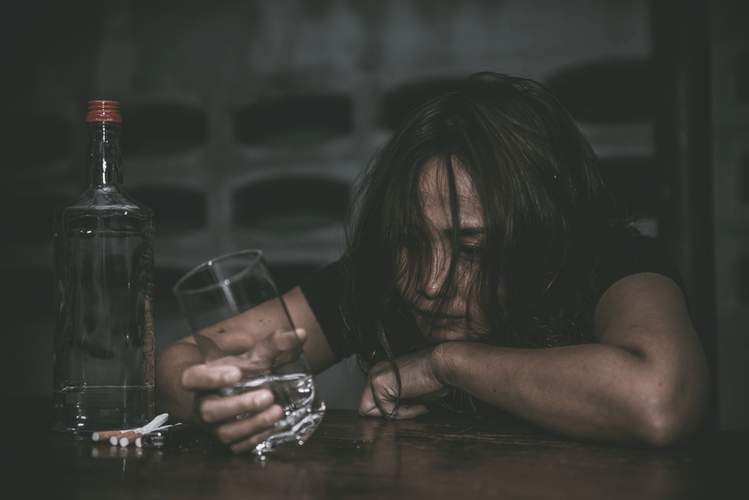
Intensive monitoring and treatment help reduce symptom duration and prevent lasting damage or fatal outcomes. Without treatment, alcohol poisoning can last longer and become life-threatening. Symptoms may worsen over hours, potentially leading to coma or death within that time frame. Immediate medical care is critical to reduce the duration and severity of poisoning. Alcohol poisoning isn’t just determined by the amount of alcohol consumed, but also by the rate at which it’s consumed.
Leave a Reply